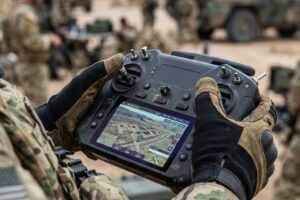
As Europe faces its most uncertain security environment in decades, NATO is transforming itself from a force designed for crisis response into one built for immediate action. The expansion of the alliance’s Rapid Deployment Force signals a major shift in military strategy, one aimed at deterring aggression, reassuring allies, and preparing for a future where threats can emerge with little warning.
Introduction
For much of the post-Cold War era, Europe enjoyed a period of relative stability. Large-scale conventional warfare seemed increasingly unlikely, and many governments reduced defense spending while focusing their militaries on peacekeeping operations, counterterrorism missions, and overseas interventions. The assumption that Europe had entered a permanently secure era shaped defense policies across the continent for more than two decades.
That assumption has now been shattered.
Russia’s military actions in recent years, culminating in the war in Ukraine, have fundamentally changed how European leaders view security. NATO no longer sees the possibility of major interstate conflict as a distant concern but as a realistic challenge that requires immediate preparation. In response, the alliance has launched one of the most significant military transformations in its history: the expansion of its Rapid Deployment Force and the creation of a new readiness model capable of responding to crises far more quickly than before.
This transformation is not merely about increasing troop numbers. It represents a broader effort to ensure that NATO can deter potential aggression, defend vulnerable allies, and maintain stability in an increasingly unpredictable security environment.
Why NATO Is Expanding Its Rapid Deployment Force
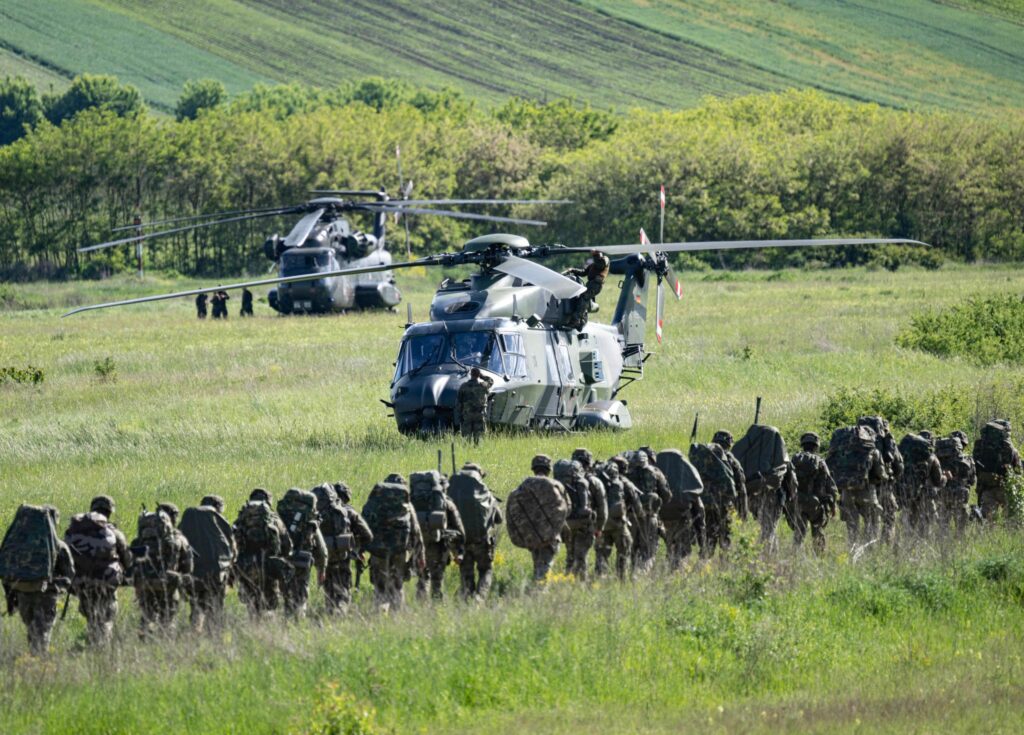
The decision to expand NATO’s rapid response capabilities is rooted in a simple but powerful lesson from recent conflicts: speed matters. In modern warfare, the side that can mobilize, deploy, and establish control first often gains a decisive advantage.
For years, NATO relied heavily on reinforcement strategies. In the event of a crisis, troops and equipment would be moved from various member states to threatened regions. While effective in theory, this approach depended on having sufficient warning time. Events in Ukraine demonstrated how quickly military situations can evolve and how dangerous delays can become.
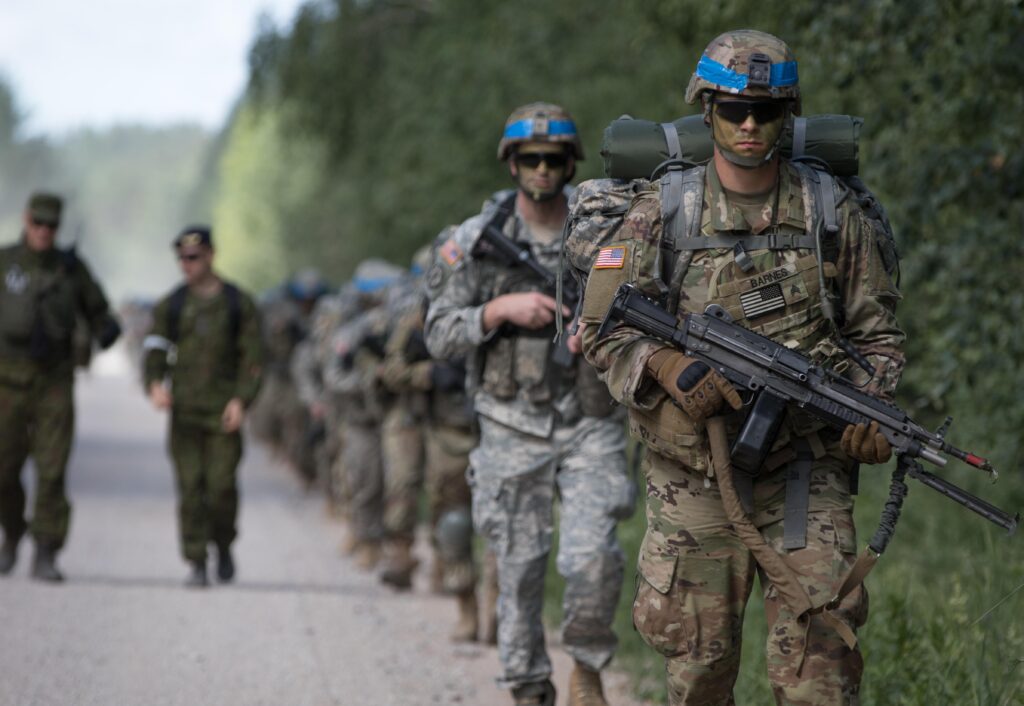
Eastern European members of the alliance, particularly those located near Russia, have consistently argued that deterrence requires more than promises of future assistance. They seek visible military capabilities that can respond immediately if a crisis develops. NATO’s expanded deployment force is designed to meet that need by maintaining larger numbers of troops at higher levels of readiness.
The shift reflects a broader understanding that modern conflicts may begin with cyberattacks, disinformation campaigns, sabotage operations, or limited military actions rather than a traditional declaration of war. The alliance must therefore be capable of responding across multiple domains and doing so rapidly enough to prevent escalation.
By increasing readiness levels and improving deployment timelines, NATO hopes to convince any potential adversary that aggression would face an immediate and coordinated response from the entire alliance.
The New Force Model and a Return to Readiness
At the heart of NATO’s transformation is its New Force Model, a structure designed to make military power available much faster than under previous arrangements.
Historically, the alliance maintained the NATO Response Force, a multinational formation intended to react to emerging crises. While valuable, its scale was limited compared to the demands of modern high-intensity conflict. The new model significantly expands the number of troops available at varying readiness levels and improves the alliance’s ability to move those forces where they are needed.
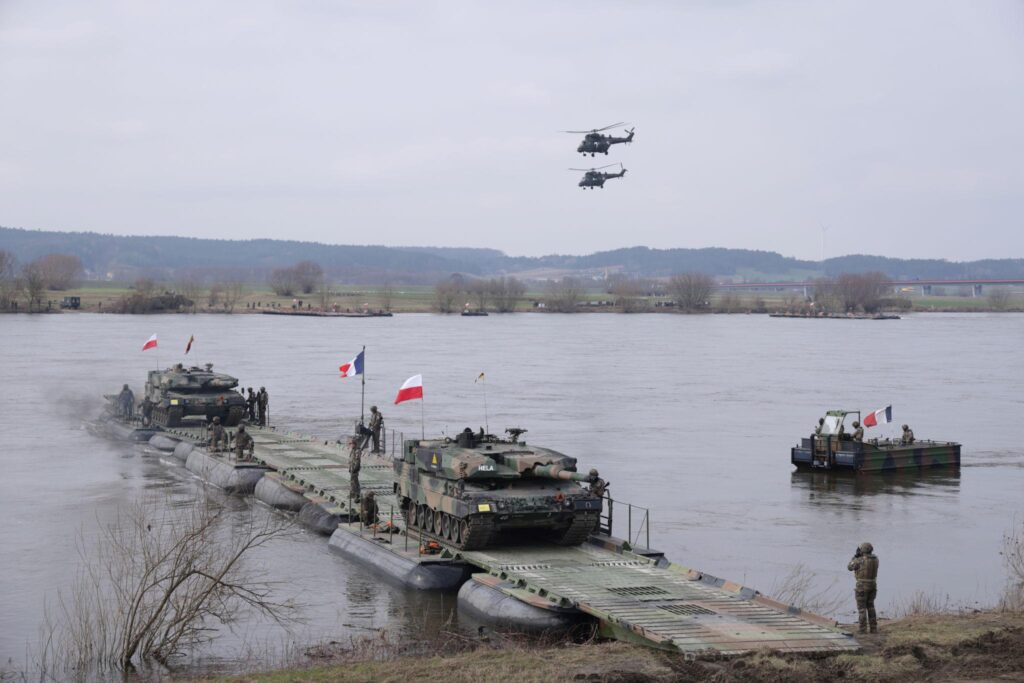
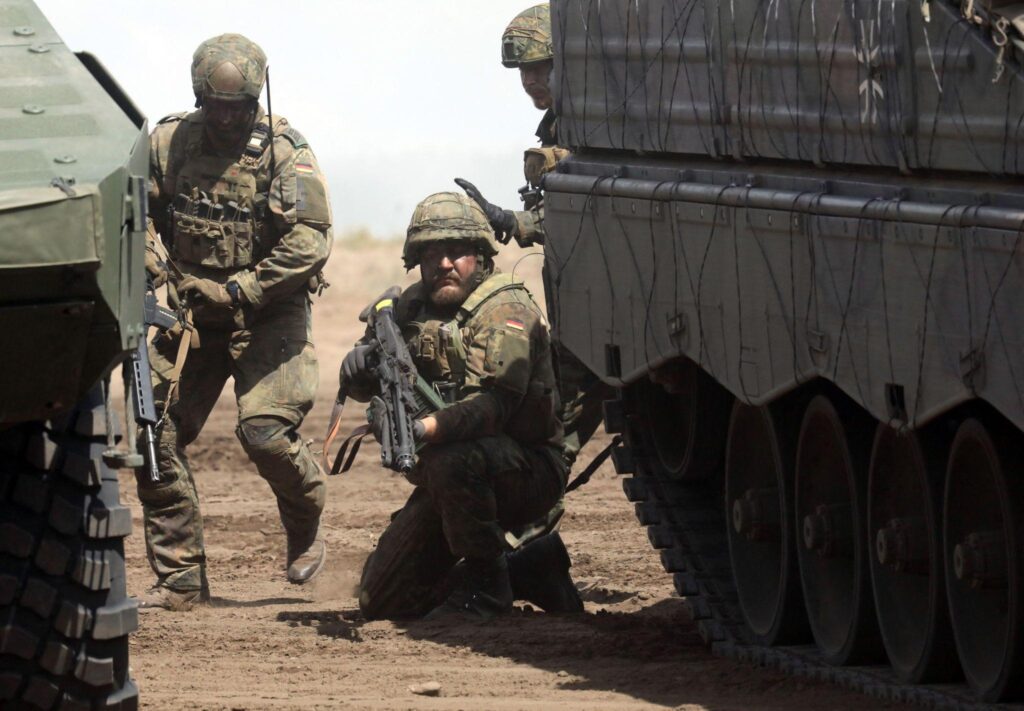
The emphasis is no longer on simply having military units available on paper. NATO now prioritizes forces that are trained together, equipped for immediate deployment, and supported by pre-positioned equipment and logistics networks. This approach reduces the time required to reinforce vulnerable regions and strengthens deterrence by making NATO’s capabilities more visible and credible.
The alliance has also invested heavily in command-and-control systems, communication networks, and military mobility infrastructure. Roads, railways, ports, and airfields are increasingly being viewed through a strategic lens. The ability to move forces rapidly across Europe has become just as important as maintaining the forces themselves.
In many ways, NATO is returning to concepts associated with the Cold War, when readiness and reinforcement plans were central components of European defense. The difference today is that modern technology, precision weapons, cyber capabilities, and real-time intelligence have dramatically increased the speed at which conflicts can develop.
The Russian Challenge and Europe’s Future Security Environment
Although NATO consistently describes itself as a defensive alliance, there is little doubt that concerns about Russia are driving much of its current planning. The war in Ukraine has highlighted both the destructive potential of modern warfare and the importance of maintaining credible military deterrence.
From NATO’s perspective, the challenge extends beyond conventional military threats. Modern conflict increasingly involves hybrid tactics that blur the line between peace and war. Cyberattacks against critical infrastructure, disinformation campaigns aimed at influencing public opinion, economic coercion, and covert operations can all be used to weaken an opponent without triggering a traditional military response.
The alliance must therefore prepare for a security environment in which threats emerge simultaneously across multiple domains. A future crisis could involve cyberattacks against energy networks, disruptions to communications systems, coordinated misinformation efforts, and military pressure along NATO’s borders all occurring at the same time.
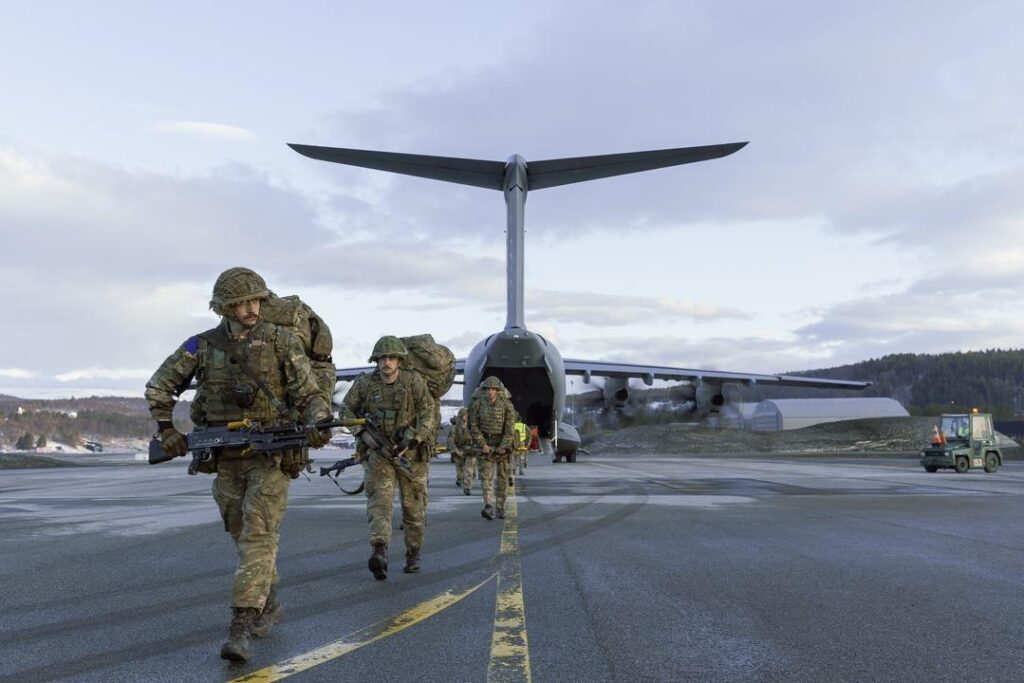
Particular attention has been focused on the Baltic region, the Black Sea, and the Arctic. These areas have become increasingly important due to their strategic geography and growing military activity. NATO planners recognize that maintaining stability in these regions requires not only military strength but also constant vigilance and rapid decision-making.
At the same time, many analysts believe Russia will eventually rebuild significant portions of the military capability lost during the Ukraine conflict. Whether that process takes years or decades, NATO leaders argue that preparation cannot wait until a future threat fully materializes.
Finland, Sweden, and the Transformation of Northern Europe
The expansion of NATO has coincided with one of the most significant geopolitical developments in Europe in decades: the entry of Finland and Sweden into the alliance.
For years, both countries maintained close partnerships with NATO while remaining outside the formal alliance structure. Russia’s invasion of Ukraine dramatically altered public opinion and political calculations, leading both nations to seek membership.
Finland brings substantial military capabilities, extensive experience in territorial defense, and a long border with Russia. Sweden contributes advanced air, naval, and technological capabilities while strengthening NATO’s position in the Baltic Sea region.
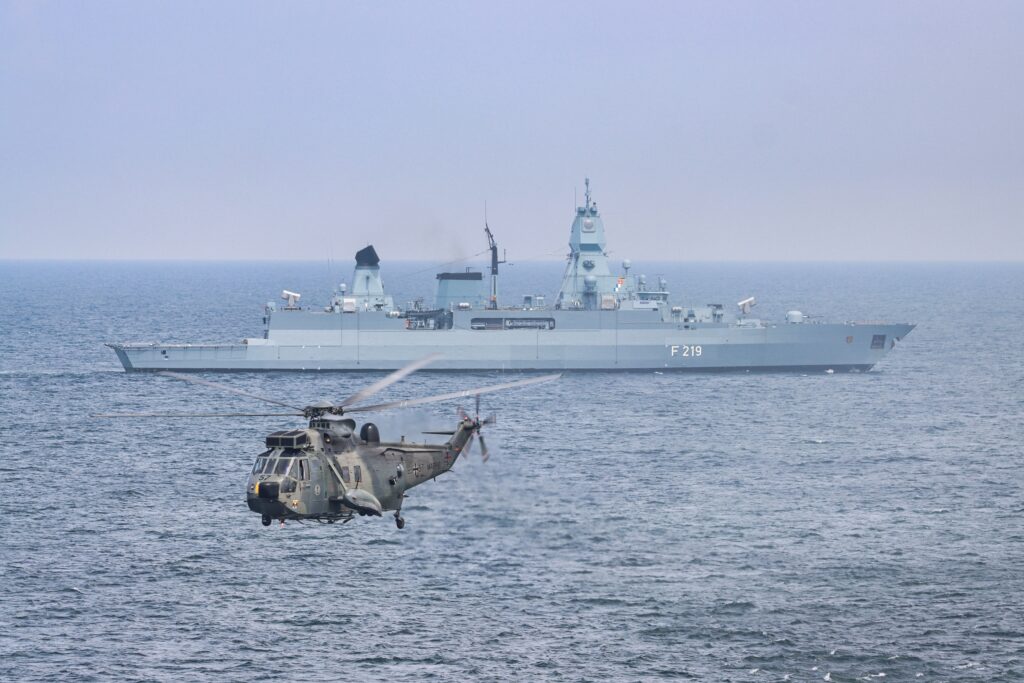
Together, these additions have transformed NATO’s northern flank. The Baltic Sea is increasingly viewed as an area where alliance members can coordinate defense more effectively, while the Arctic has emerged as a region of growing strategic importance due to competition over resources, shipping routes, and military access.
The inclusion of Finland and Sweden provides NATO with greater operational flexibility and complicates the strategic calculations of any potential adversary. Their membership also demonstrates how security concerns can reshape political decisions across Europe.
Challenges Facing NATO’s Ambitious Expansion
Despite its determination, NATO’s transformation faces significant obstacles.
Maintaining large numbers of forces at high readiness levels is expensive. Many member states have increased defense spending, but sustaining those investments over the long term may prove politically challenging. Economic pressures, competing domestic priorities, and changing governments could all affect future commitments.
Recruitment and retention also remain concerns. Across much of Europe, armed forces are struggling to attract sufficient personnel. Modern militaries require highly trained specialists capable of operating advanced systems, making manpower shortages particularly difficult to address.
Industrial capacity presents another challenge. The war in Ukraine exposed limitations in ammunition production and defense manufacturing across Western countries. Building larger stockpiles and expanding production lines will require years of investment and coordination.
Finally, NATO must preserve political unity among its members. Military strength alone cannot guarantee effective deterrence. Potential adversaries closely watch for signs of disagreement within alliances, making cohesion just as important as capability.
The success of NATO’s rapid deployment strategy will depend not only on troop numbers but also on the willingness of member states to maintain long-term commitment to collective defense.
Conclusion
NATO’s expanded Rapid Deployment Force represents one of the most significant changes in European defense policy since the end of the Cold War. The alliance has concluded that deterrence in the twenty-first century requires more than military power alone—it requires readiness, speed, and the ability to respond before a crisis spirals out of control.
Driven largely by concerns about future Russian threats and an increasingly complex security environment, NATO is building a force structure designed for rapid action across land, sea, air, cyber, and space domains. Investments in military mobility, logistics, technology, and multinational cooperation reflect a broader effort to adapt to the realities of modern warfare.
Whether these measures ultimately prevent conflict cannot be known. What is clear, however, is that Europe has entered a new era of security planning. The assumptions that shaped defense policy after the Cold War have given way to a renewed focus on preparedness and collective defense.
In that environment, NATO’s ability to deploy forces quickly may become one of the most important factors determining the future balance of power and stability across Europe.
Related Reading:
Red Sea Crisis: How Houthi Attacks Are Disrupting Global Shipping
Drone Warfare in Ukraine: How Cheap Weapons Are Changing Modern Battlefields